



Review from the EBMT–EHA 8th European CAR T-Cell Meeting
Palma de Mallorca, February 2026
The EBMT–EHA 8th European CAR T-Cell Meeting took place in Palma de Mallorca in February 2026. The conference brought together leading hematologists, researchers, and transplant specialists from across Europe and around the world to discuss the latest scientific and clinical developments in CAR-T therapy.
Today, CAR-T cell therapy is an established treatment for several blood cancers, including lymphoma, leukemia, and multiple myeloma. The meeting focused on improving outcomes in these diseases while exploring new directions for the technology.
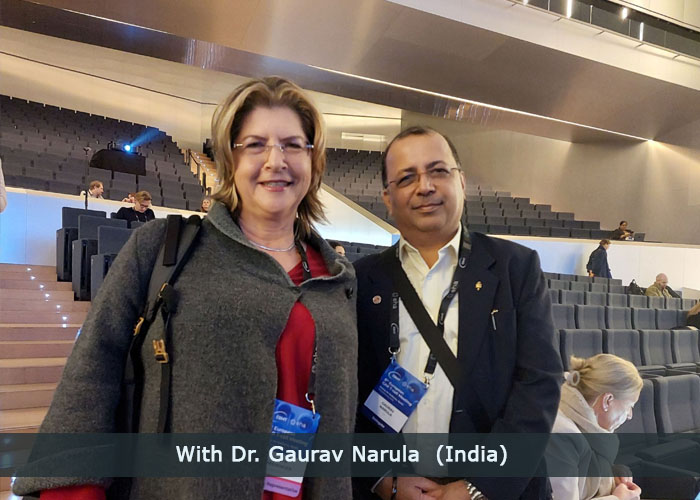
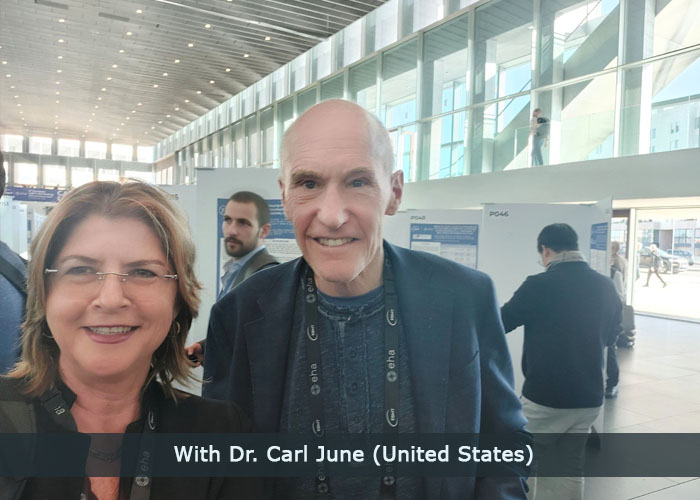
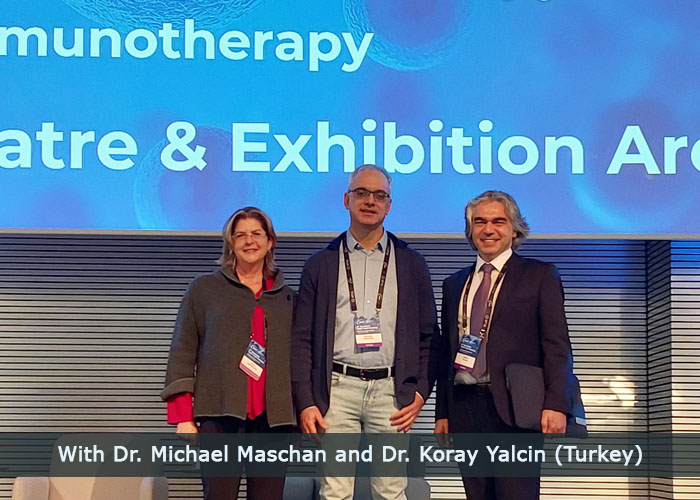
A representative from Israeli Hospitals Ltd. attended the meeting to stay informed about emerging clinical data, evolving indications, and advances in patient management, with the goal of offering international patients guidance aligned with current medical standards.
Below is a summary of the key themes discussed.
Improved Results in Blood Cancers
New clinical data presented at the meeting demonstrated continued progress in patient outcomes:
- Higher remission rates across several indications
- Increased rates of deep responses, including MRD negativity
- Encouraging long-term follow-up results
For patients who previously had very limited treatment options, CAR-T therapy is increasingly associated with longer periods of disease control.
Safer Treatment and Better Side-Effect Management
A major focus of the conference was improving the safety profile of CAR-T therapy.
Experts discussed:
- Earlier detection and management of cytokine release syndrome (CRS)
- Refined protocols for treating neurological side effects (ICANS)
- Improved hospital monitoring and supportive care strategies
Compared to the early years of CAR-T therapy, side effects are now recognized sooner and managed more effectively.
Expanding CAR-T to More Patients
Researchers also addressed how CAR-T therapy for lymphoma, leukemia, and multiple myeloma may become available to a broader group of patients:
- Investigating earlier use in the course of disease
- Expanding access to older patients, when clinically appropriate
- Developing next-generation CAR-T designs
In addition, CAR-T therapy is being actively studied in autoimmune diseases and selected solid tumors, reflecting the rapid evolution of the field.
Access and Availability
Patient access was another important topic of discussion.
As CAR-T therapy becomes more widely integrated into clinical practice, hospitals are working to:
- Reduce waiting times
- Improve coordination between referring physicians and CAR-T centers
- Expand treatment availability across countries
For international patients considering CAR-T treatment abroad, these developments are particularly relevant.

Why This Meeting Matters
Organized by the European Society for Blood and Marrow Transplantation (EBMT) and the European Hematology Association (EHA), this annual meeting reflects the pace at which CAR-T therapy continues to advance.
The overall message from the conference was encouraging:
- Outcomes continue to improve
- Side effects are better understood and managed
- More patients are becoming eligible
- Long-term results are increasingly promising
For patients exploring advanced treatment options, CAR-T therapy is no longer experimental in many blood cancer indications. It is an established and continuously evolving treatment approach.
Publication date: March 2026

