





Leukapheresis is a medical procedure in which white blood cells (leukocytes) are separated and removed from a person's blood. The procedure is accomplished using a special machine, akin to the devices used in other apheresis processes like plasmapheresis (where plasma is removed) or plateletpheresis (where platelets are removed).
Leukapheresis typically takes a few hours, usually around 2 to 4 hours, depending on the patient and the volume of cells needed.It is done in one session and is generally well tolerated.
Here's how the process typically works:
Blood Withdrawal: Blood is drawn from a vein in one arm.
Separation: The blood is then passed through a machine that separates and collects the white blood cells, often using centrifugation.
Return of Remaining Components: The rest of the blood, including red blood cells, plasma, and platelets, is returned to the person through a vein in the other arm.
Leukapheresis can be used for various purposes:
- CAR-T Therapy Production: Leukapheresis is also an essential step in the production of CAR-T cell therapies for cancer. A patient's T cells are collected via leukapheresis, genetically modified in a laboratory to target cancer cells, and then infused back into the patient.
- Treatment: In certain diseases, like chronic myelogenous leukemia (CML) or polycythemia vera, patients might have an abnormally high number of white blood cells. Leukapheresis can be used therapeutically to reduce the number of these cells quickly.
The procedure is generally considered safe, but there might be side effects like numbness or tingling (due to changes in calcium levels), faintness, or, in rare cases, bleeding or infection at the needle sites.
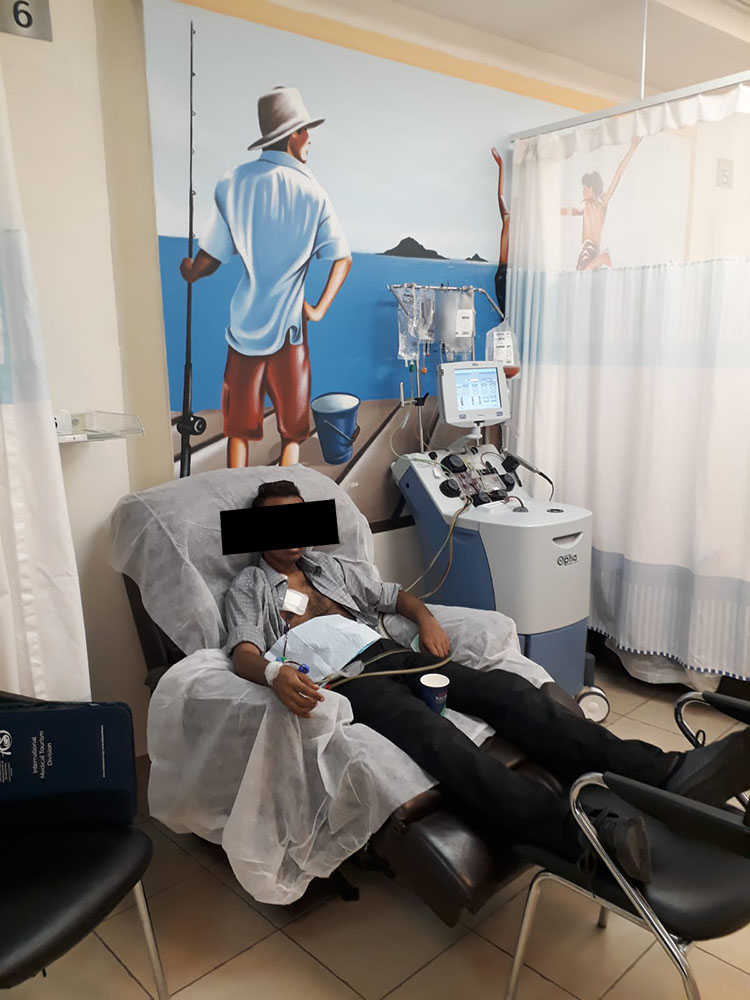
Leukapheresis during CAT-T therapy in Sheba Hospital

